How to Build a SaaS MVP Fast on a Budget: Step-by-Step Architecture Guide
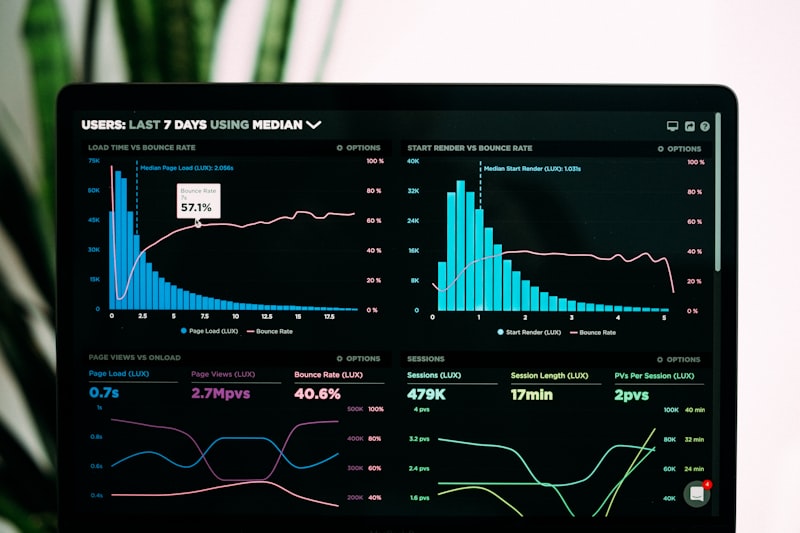
Over 90% of SaaS startups fail, not because they couldn't build their product, but because they spent 12 months and $50,000 building features that nobody wanted. In 2026, successful software founders build Minimum Viable Products (MVPs) in 3 to 6 weeks for under $2,000 by leveraging modern BaaS platforms, pre-engineered design systems, and rapid prototyping frameworks.
Phase 1: Validate the Core Problem Before Writing Code
An MVP is not a half-baked product; it is the most direct solution to a painful, urgent problem. Before opening VS Code or hiring a developer, perform these validation exercises:
- Interview 20 Target Users: Document their daily workarounds, manual spreadsheets, and current software frustrations.
- Build a Smoke Test Landing Page: Outline your value proposition, showcase mockup screenshots, and measure signup conversions using a waitlist form.
- Calculate Unit Economics: Use our ROI Calculator to model Customer Acquisition Cost (CAC) against target pricing tiers.
Phase 2: Tech Stack Selection for Maximum Velocity
Choosing the wrong technology stack can slow down development by months. For 95% of web-based SaaS MVPs, we recommend this Battle-Tested 2026 Stack:
| Layer | Recommended Technology | Why It Outperforms Alternatives |
|---|---|---|
| Frontend Framework | React / Next.js / Vite | Sub-second page renders, vast component ecosystem, seamless SEO prerendering. |
| Styling & UI | Tailwind CSS + Framer Motion | Utility-first styling, zero CSS bloat, hardware-accelerated animations. |
| Backend & Database | Supabase (PostgreSQL) | Instant REST & GraphQL APIs, built-in Auth, Row Level Security (RLS), and database webhooks. |
| Payments & Billing | Stripe Billing | Pre-built checkout portals, webhooks, global tax compliance out of the box. |
Phase 3: Crafting a Seamless Onboarding Experience
If users cannot achieve their first "Aha!" moment within 180 seconds of signing up, your activation rates will plummet. Ensure your SaaS onboarding contains:
- One-click Social Authentication (Google / GitHub).
- Pre-populated sample data so empty states don't confuse first-time users.
- Interactive step-by-step progress checklists.
Phase 4: Launching & Iterating Based on Feedback
Launch your MVP on Product Hunt, Hacker News, Reddit communities, and niche LinkedIn groups. Implement session recording tools (Hotjar / PostHog) to watch real users navigate your app, identify drop-off points, and ship rapid bug fixes daily.
Frequently Asked Questions (FAQs)
How long should it take to build a SaaS MVP?
A focused SaaS MVP should take between 3 to 8 weeks. If your development timeline exceeds 12 weeks, your scope is too broad.
Should I hire a freelancer or an agency for my MVP?
Specialized agencies like ToolBite provide full-stack architecture, UI design, security, and DevOps under one team, ensuring your MVP is built right the first time.

